
How Often Should Cars Be Detailed? A Clear Guide

A clean car can still be a neglected car. Road film, UV exposure, brake dust, spills and fine scratches build up gradually, often long before they are obvious from a few steps away. So, how often should cars be detailed? For most daily drivers, a professional detail every three to six months is a smart benchmark. The right schedule, however, depends on how you use, store and protect your vehicle.
Detailing is not simply an upgraded wash. It is careful cleaning, decontamination, restoration and protection of the surfaces that make your car look and feel well cared for. A tailored detail can preserve paint gloss, keep leather supple, remove interior odours and prevent small cosmetic issues becoming harder and more expensive to correct.
How Often Should Cars Be Detailed for Everyday Use?
If your vehicle is used most days for commuting, school runs, shopping or weekend trips, plan for a professional maintenance detail every three to four months. This frequency keeps contaminants from bonding to the paint, lifts grime from areas a standard wash misses and maintains the presentation of the cabin.
Drivers who wash their car correctly at home or visit a quality hand wash regularly may be comfortable extending this to every four to six months. The key is that regular washing does not replace detailing. A wash removes loose dirt, while a detail addresses embedded contamination, neglected trims, upholstery, wheel barrels, door jambs and protective treatments.
For cars that are rarely driven and kept in a garage, twice-yearly detailing is usually enough. Even stored vehicles collect dust, settle with airborne contaminants and can suffer from dry leather, faded plastics or moisture-related interior smells if left unchecked.
Your Environment Changes the Schedule
There is no one-size-fits-all interval because a vehicle's environment can be harder on its finishes than its odometer suggests. A car parked outdoors every day needs more care than one kept under cover, even if both travel the same distance.
Consider booking more frequent detailing if your car is exposed to several of the following conditions:
Strong sun and heat, which can fade trims, dry out leather and reduce the life of unprotected paint.
Coastal air, where salt mist can cling to paint, wheels and under-bonnet areas.
Tree sap, bird droppings and pollen, which can stain or etch clear coat if not removed promptly.
Construction dust, industrial fallout or regular gravel-road driving, which can leave paint feeling rough and dull.
Young passengers, pets, food and frequent passengers, which place greater pressure on the interior.
Bird droppings, tree sap and fuel spills should not wait for your next detail. Remove them as soon as possible using safe products and a clean microfibre cloth. The longer acidic or sticky contaminants sit on a surface, the more likely they are to mark it.
A Detail Schedule Based on Your Car's Protection
The protection already on your vehicle makes a meaningful difference. Fresh wax or sealant may provide a short-term boost in gloss and water beading, but it needs regular renewal. A ceramic coating can provide more durable protection and make maintenance easier, yet it is not a licence to stop caring for the paint.
Unprotected Paint
For paint without a dedicated protective coating, a professional detail every three months is ideal for a vehicle driven frequently. This allows the detailer to safely decontaminate the paint, refresh protection and identify early signs of staining, oxidation or swirl marks.
Owners who want their vehicle to maintain a crisp, glossy finish may choose a paint correction before establishing this maintenance routine. Correction removes or reduces defects in the clear coat, while ongoing detailing helps protect the improved finish.
Ceramic-Coated Vehicles
Ceramic-coated vehicles still need gentle, routine washing and professional inspections. A maintenance detail every four to six months is a practical starting point, with an annual coating health check or topper service where required.
The benefit of ceramic protection is that dirt generally releases more easily and the finish stays glossier between cleans. The trade-off is that poor wash methods can still create fine scratches, while harsh chemicals can compromise the coating's performance. Treat the coating as a protective layer worth maintaining, not an invincible shield.
Paint Protection Film
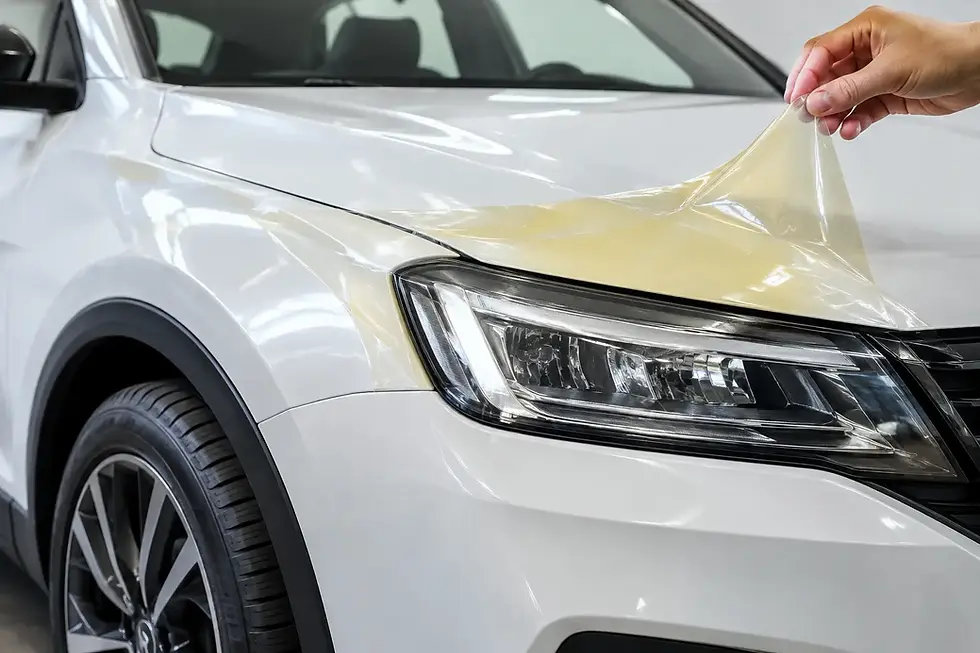
PPF is designed to defend high-impact areas against stone chips, scuffs and road debris. It should be washed and maintained with the same care as paint, particularly around edges and complex panels. A six-monthly professional detail works well for many PPF-protected cars, with more frequent visits if the vehicle sees heavy highway use, off-road driving or outdoor parking.
Do Not Forget the Interior
The interior often determines whether a car feels truly cared for. Dusty vents, oily touchpoints, stained seats and crumbs beneath the seats can make even a newly washed exterior feel unfinished.
For most owners, a thorough interior detail every three to six months keeps the cabin fresh and protects frequently handled surfaces. If you carry children, pets, work gear or clients, every two to three months may be a better fit. Light regular upkeep - emptying rubbish, vacuuming mats and wiping spills immediately - makes each professional visit more effective.
Leather deserves particular attention. Without proper conditioning, it can become dry, shiny from body oils or prone to premature wear. Fabric seats benefit from periodic deep cleaning to lift embedded dirt before stains become permanent. Odour elimination is also most successful when treated early, before smells settle into carpet, headlining and ventilation systems.
Signs Your Car Is Due Before the Calendar Says So
Your car may need detailing sooner than planned if the paint feels rough after washing, water no longer beads or sheets cleanly, or the finish looks flat in direct light. These are common signs that contamination has accumulated or existing protection has weakened.
Inside, look for a greasy steering wheel, dusty air vents, dull interior trim, persistent odours or marks that do not lift with normal cleaning. Headlights that appear hazy, wheels coated in baked-on brake dust and faded exterior plastics are also worth addressing early. Timely care can restore their appearance before replacement becomes the only option.
Build a Routine That Protects Value
A practical care routine combines simple home maintenance with scheduled professional work. Wash your car every one to two weeks where possible, using pH-neutral products and clean wash media. Dry it properly rather than allowing mineral-rich water to spot on the paint. Between professional details, avoid automatic brushes that can leave swirl marks and be cautious with strong degreasers or silicone-heavy shine products.
Then choose a detailing interval that reflects your vehicle's real life, rather than an arbitrary date. A daily-driven family SUV parked outdoors may need quarterly care. A garage-kept weekend coupe with ceramic protection may thrive on six-monthly maintenance. A prestige vehicle prepared for sale or a special event may benefit from a more comprehensive detail at any time.
At Younique Detailing Co Ltd, the focus is on matching the level of care to the condition of your vehicle, from routine aesthetic upkeep to paint correction and long-term protection. The goal is not to sell a service you do not need. It is to keep every surface looking sharper, feeling cleaner and ageing more gracefully.
Book a detail when your car begins to lose that just-cleaned confidence, rather than waiting until the wear is impossible to ignore. Consistent care is what keeps a good finish looking exceptional.


Comments