
Car Polishing Curepipe for a Lasting Deep Gloss
- hello62666
- Aug 21
- 5 min read
A clean car can still look tired. When sunlight reveals hazy paint, fine circular marks and a lack of depth in the finish, a wash alone will not bring back that showroom presence. Professional car polishing Curepipe services are designed to refine the paint surface, restore clarity and give your vehicle the crisp, reflective gloss it deserves.
Polishing is not about simply making a car look shiny for the afternoon. Done properly, it is a careful corrective process that improves the condition of the clear coat before protection is applied. The result is a finish that looks sharper, feels smoother and is better prepared to withstand daily driving.
What car polishing actually does
Modern vehicle paint has a clear protective layer over the colour coat. Over time, that clear coat collects minor defects from washing, dust, road grime, improper drying, tree debris and everyday use. These defects scatter light rather than reflecting it cleanly, which is why paint can appear dull even after it has been washed.
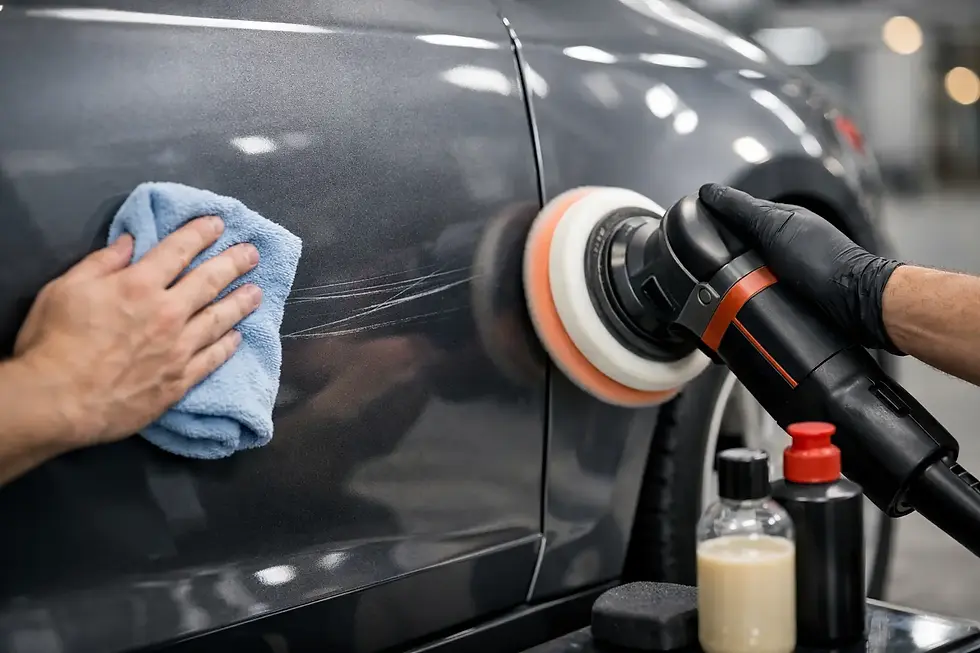
Car polishing uses suitable compounds, polishing pads and machine techniques to carefully level a very small amount of the affected clear coat. This reduces the appearance of fine scratches, wash swirls, oxidation, water spotting and paint haze. It restores the clean reflection and richer colour that owners notice straight away.
The key word is carefully. Paint correction is not a one-size-fits-all service. A soft clear coat, for example, may respond quickly but can also mark easily. Harder paint may need more time and a more considered combination of polish and pad. Professional assessment matters because the aim is always to achieve the best possible improvement without taking unnecessary risks with the paint.
Car polishing Curepipe: when is it worth booking?
You may benefit from professional polishing if your vehicle has lost its gloss, looks flat under direct sun or shows obvious swirls around the bonnet, doors and boot. It is also a worthwhile service before selling a car, after buying a pre-owned vehicle, or before investing in ceramic coating or paint protection film.
For many owners, the difference becomes clearest after a proper wash. The dirt is gone, but the paint still looks grey, scratched or uneven. That is the point where polishing delivers value that standard cleaning cannot. It improves the surface itself, not just what is sitting on top of it.
Polishing is particularly effective for defects caused by routine wear, including light wash marring, fine scratches from dusting, dullness from oxidation and marks left by poor-quality car washes. It can significantly reduce these issues, but realistic expectations are essential. Deep scratches that catch a fingernail, stone chips, cracked paint and damage that has gone through the clear coat may require touch-up, refinishing or another repair solution.
Polishing and paint correction are not always the same service
The terms are often used interchangeably, but the right approach depends on the vehicle’s condition and your expectations.
A refinement polish is ideal for a newer or well-maintained car with light defects. It focuses on lifting gloss, improving clarity and reducing minor swirls. This option can make a substantial visual difference while keeping the process efficient.
More intensive paint correction is suited to vehicles with heavier swirling, dull panels, visible scratches or long-term neglect. It may involve multiple polishing stages to safely chase deeper defects and maximise the finish. This takes more time, more inspection and greater precision, which is why it is usually a more involved investment.
Neither option is automatically better. If your car is a daily driver and you want it looking fresh, clean and well cared for, a single-stage polish may be exactly right. If it is an enthusiast vehicle, a premium car, or a car you want to prepare for long-term protection, a correction-focused service can be the smarter choice.
Why preparation determines the final result
The polish is only one part of quality work. Before any machine touches the paint, the vehicle should be washed thoroughly to remove loose grime and road film. Contamination bonded to the paint, such as industrial fallout, tar or embedded particles, needs to be addressed as well. Polishing over contamination can create fresh marks and compromise the finish.
A careful detail also includes inspecting panels under proper lighting. What looks like a scratch in shade may be a light surface mark, while faint defects become much more visible under inspection lamps. This is how a detailer chooses a suitable process for each panel rather than treating every area the same.
Masking sensitive trims, badges and edges protects the vehicle during the polishing stage. The paint is then refined section by section, with the finish checked as work progresses. This patient approach is what separates genuine detailing from a rushed gloss treatment.
Protection should follow polishing
Freshly polished paint looks exceptional because it is clear, smooth and reflective. However, the vehicle still needs protection. Without it, environmental fallout, UV exposure, water marks and regular washing can quickly take the edge off the result.
The most appropriate protection depends on how you use and maintain the car. A quality sealant or wax can offer a glossy finish and useful short-term defence. Ceramic coating provides longer-lasting chemical resistance, easier maintenance and strong water behaviour when properly applied to corrected paint. Paint protection film is a different solution again, offering physical protection against stone chips and road debris in high-impact areas.
Ceramic coating should not be viewed as a force field. It will not stop every scratch or eliminate washing requirements. Its real value lies in preserving a well-prepared finish and making routine care easier. Applying it after polishing gives the coating a cleaner, clearer surface to protect.
How to keep polished paint looking its best
Your maintenance habits have a direct effect on how long the finish stays sharp. The most common cause of new swirl marks is contact washing with contaminated mitts, harsh brushes or dirty drying towels. Even a well-corrected vehicle can lose clarity quickly if it is washed carelessly.
Use a pH-neutral car shampoo, clean quality wash mitts and separate equipment for lower, dirtier sections of the vehicle. Rinse thoroughly before making contact with the paint, and dry with a clean, soft microfibre towel rather than an old chamois or household cloth. Avoid automatic brush washes where possible, as they can introduce the very marks polishing was intended to remove.
Parking habits matter too. Regular exposure to strong sun, bird droppings, tree sap and dusty conditions can affect the finish over time. Removing contaminants promptly and booking periodic maintenance detailing will help preserve both the appearance and protection of your vehicle.
Choosing a professional polishing service
A premium result comes from judgement as much as equipment. Look for a detailer who assesses the paint before recommending a service, explains what can realistically be improved and tailors the work to the car’s condition. The best outcome is not always the most aggressive correction. It is the finish that delivers noticeable improvement while respecting the long-term health of the paint.
At Younique Detailing Co Ltd, car polishing is approached with that balance in mind. Every vehicle has its own history, paint condition and owner expectations, so the service should reflect that. Whether your goal is a cleaner daily-driver finish or a deeper correction before ceramic protection, the work should leave your car looking cared for, refined and ready to be enjoyed.
Your vehicle does not need to be covered in obvious damage to deserve professional attention. If the gloss has faded or the paint no longer reflects the care you take in owning it, a considered polish can bring back the pride you feel every time you walk towards it.


Comments