
Paint Protection Film Versus Vinyl: Which Fits?

A fresh stone chip on the front bumper can take the shine out of an otherwise immaculate car. When comparing paint protection film versus vinyl, the key question is not which material is better in every situation. It is which one delivers the result you want: serious defence against road damage, a new colour or finish, or a balance of both.
At first glance, paint protection film and vinyl wrap can look similar. Both are professionally applied films that sit over your vehicle’s factory paint. Their purpose, construction and long-term performance are very different, though. Choosing the right option protects your investment and ensures your car looks exactly as intended.
Paint protection film versus vinyl: the key difference
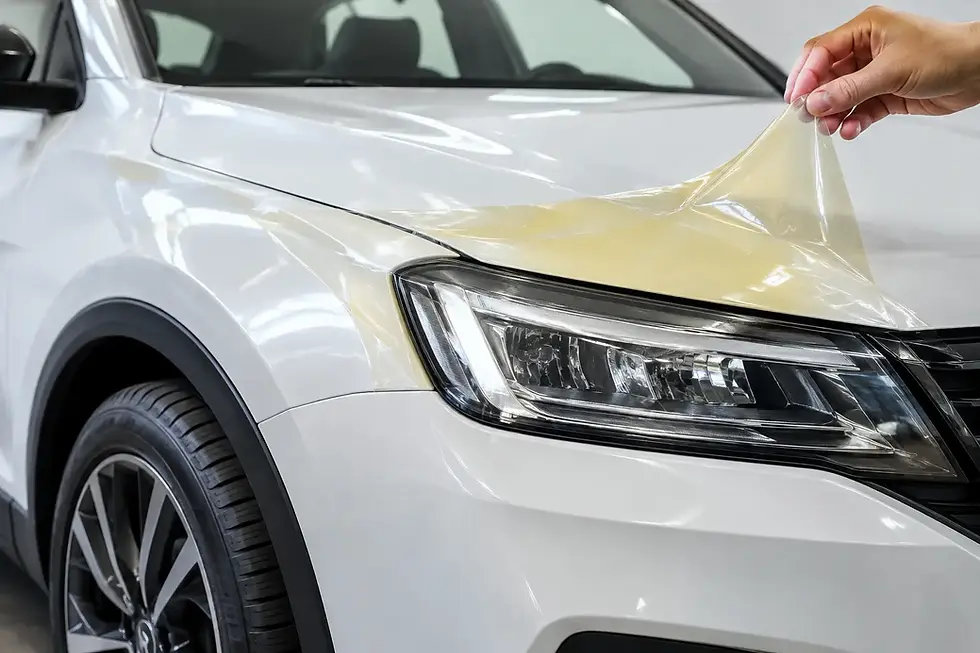
Paint protection film, often called PPF or clear bra, is a thick, clear polyurethane film designed to absorb impacts and defend painted surfaces. It is commonly installed on high-risk areas such as the front bumper, bonnet, guards, mirrors, headlights, side skirts and door edges. A full-car installation provides the highest level of coverage.
Automotive vinyl is generally a thinner PVC-based film designed primarily to change appearance. It is available in gloss, matte, satin, metallic, chrome, carbon-look and colour-shifting finishes. Vinyl lets you transform the personality of a car without permanently repainting it.
Put simply, PPF is protection first and styling second. Vinyl is styling first, with a modest degree of surface protection as a secondary benefit.
What paint protection film is made to handle
Daily driving exposes your paintwork to more than dust and rain. Loose stones, grit, insects, bird droppings, road tar and careless car park doors all create opportunities for damage. PPF is engineered to take the hit before your clear coat does.
Quality PPF is substantially thicker than standard wrap vinyl. That thickness gives it a strong advantage against stone chips, light scuffs and abrasive road debris. Many premium films also feature self-healing top coats. With heat from the sun or warm water, very fine wash marks and surface scratches can soften and become far less visible.
Clear PPF preserves the original paint colour and gloss underneath. It is an excellent choice for new vehicles, prestige cars, enthusiast vehicles and any owner who wants to keep factory paint in exceptional condition. It can also be applied in matte or satin finishes, allowing a gloss-painted vehicle to take on a different appearance while receiving meaningful protection.
PPF is not invincible. A hard impact can still damage the film, and severe impacts may reach the paint beneath it. However, replacing a damaged section of film is often far easier and less disruptive than repairing and repainting a panel.
What vinyl does best
Vinyl wrap is the stronger choice when visual change is the priority. Perhaps you want a satin black roof, a bold new colour, de-chromed trim or a complete restyle that makes your car feel new again. Vinyl makes that possible while keeping the original paint underneath intact.
A professionally installed wrap can also help shield paint from light contamination, minor rubbing and everyday UV exposure. But it should not be selected with the expectation that it will handle repeated stone strikes like PPF. Its thinner construction means it can tear, puncture or mark more easily in exposed areas.
Vinyl is especially practical for drivers who enjoy changing their vehicle’s look every few years, for business vehicles needing clean branding, or for owners who want a distinctive finish without the cost and permanence of a respray. The final result depends heavily on preparation, film quality and installation precision. Poorly prepared paint, stretched edges and trapped contamination will compromise the finish quickly.
Can vinyl be installed over paint protection film?
Yes, in selected applications. Some owners protect the most vulnerable front-end areas with clear PPF, then wrap the rest of the vehicle in vinyl. Others use coloured PPF for a combined colour change and protective layer.
This approach can be worthwhile, but it needs careful planning. Panel gaps, edges and joins must be managed properly so the finish looks intentional rather than layered. The condition of the paint beneath matters too. Neither film is a substitute for repairing failed clear coat, deep scratches or peeling paint before installation.
Durability, finish and maintenance
PPF generally offers the longer service life, particularly on high-impact areas. A quality installation that is correctly cared for can remain clear and protective for many years. It is designed for demanding use, making it well suited to front bumpers, bonnets and mirrors that face the most road debris.
Vinyl lifespan varies more noticeably depending on its colour, finish, exposure and how the car is stored. Dark colours, matte finishes and harsh sunlight can require more attentive care. A vehicle kept under cover and washed correctly will usually retain a better finish than one left outside every day.
Both materials benefit from gentle maintenance. Wash with pH-neutral products, use clean microfibre wash media and dry carefully to avoid dragging grit across the surface. Avoid abrasive polishes and aggressive solvents unless they are specifically approved for the film. High-pressure water should not be directed closely at exposed edges.
Ceramic coating can be applied over suitable PPF or vinyl to make washing easier and improve water behaviour, but it does not turn vinyl into PPF. A coating helps reduce the grip of dirt and adds gloss or slickness. It cannot provide the thickness or impact absorption of paint protection film.
Cost: what are you paying for?
Vinyl wrapping is usually more affordable than a full PPF installation, especially when the goal is a colour change. The material is thinner, and the product is designed around visual customisation rather than maximum impact resistance.
PPF costs more because the film itself is engineered for protection and the installation process demands painstaking preparation. Complex panels, deep curves, sensors, badges, trims and tight edges all require careful work. High-quality installations often involve partial disassembly and precise patterning to minimise visible lines.
The right comparison is not simply upfront price. Consider the cost of repairing stone chips, repainting a bumper, correcting faded paint or reducing the impact of wear when it is time to sell. For an owner focused on preserving a near-new finish, PPF can represent strong value. For someone wanting a dramatic new look on a sensible budget, vinyl may be the smarter spend.
Choosing the right film for your car
Your driving habits should guide the decision. If your car regularly travels at speed, covers long distances or spends time on roads with loose grit, PPF on the front end is a sensible priority. It protects the areas that tend to show damage first.
If the paint is already in excellent condition and you want to keep it that way, clear PPF maintains the factory appearance while adding confidence on the road. If you want to make a statement with a satin, matte or custom colour finish, vinyl gives you far more creative freedom.
For many owners, the best answer is not one or the other. A targeted PPF package on the bumper, bonnet, guards and mirrors can protect the leading edges, while vinyl is used on a roof, trims or selected panels for visual contrast. This delivers protection where it matters most without committing to a full-car PPF investment.
Before either film is applied, paint correction may be worthwhile. Films can preserve the surface underneath, but they do not erase existing swirl marks, scratches or dullness. Preparing the paint properly ensures the final result has the depth, clarity and premium finish your car deserves.
At Younique Detailing Co Ltd, each recommendation should start with how you use your vehicle, the condition of its paintwork and the standard you want to maintain. Whether you protect a vulnerable front end or give the whole car a fresh new identity, choose the film that lets you enjoy every drive without second-guessing the finish.


Comments