
Sealant Versus Wax Durability: What Lasts?

A freshly detailed car can look exceptional under the sun, but that deep gloss only matters if the paint is protected once it leaves the driveway. Sealant versus wax durability is one of the most common questions car owners ask when choosing paint protection, and the answer is not simply that one is better than the other. Wax and paint sealant create very different finishes, have different upkeep needs, and suit different expectations.
For a vehicle that is driven regularly, parked outside, or exposed to rain, dust, bird droppings and harsh wash chemicals, durability deserves more attention than a quick shine. The right choice comes down to how you use your car and how much maintenance you are prepared to give it.
Sealant versus wax durability: the real difference
Car wax is traditionally made with natural waxes, often including carnauba, blended with oils, solvents and polymers. It sits on top of the clear coat and gives paint a rich, warm appearance that enthusiasts particularly appreciate on dark colours, red paintwork and well-corrected finishes. A quality wax can make a car look beautifully deep and glossy.
Paint sealant is a synthetic protectant designed to bond more tightly to the paint surface. Rather than relying mainly on natural oils and waxes, it uses polymer technology to create a more uniform protective layer. The appearance is usually sharper and more reflective than wax, with crisp reflections and strong water beading.
The key difference is resilience. A wax layer gradually breaks down through UV exposure, rain, heat, detergent and regular washing. A sealant is generally more resistant to those same conditions, which is why it is often the practical choice for daily-driven vehicles.
How long does car wax last?
A professionally applied quality wax commonly lasts around four to eight weeks on a regularly used car. Some premium waxes may perform for two or three months when the vehicle is garaged, washed correctly and not exposed to constant harsh weather. However, real-world conditions tend to shorten those estimates.
Parking outdoors, frequent rain, coastal air, strong sunlight and automatic car washes all wear wax away faster. Even washing with a strong detergent can strip the oils that give wax its signature depth and water behaviour. When water no longer beads or sheets cleanly, and the paint starts to feel less slick after washing, the wax protection is likely fading.
Wax is not a poor choice because it needs reapplying. It is a good choice for owners who enjoy regular car care, want the richest possible glow, or maintain a weekend car that is not constantly exposed to the elements.
How long does paint sealant last?
A quality paint sealant generally lasts between six and 12 months, depending on the product, paint preparation, application method and vehicle use. Some products claim longer periods, but a realistic expectation is better than relying on the most optimistic label promise.
Sealants cope better with heat, UV exposure, road grime and repeated washing than conventional waxes. They also tend to retain their water-repelling properties for longer, making wash maintenance easier. Dirt is less likely to cling to a properly sealed surface, although no sealant makes a car maintenance-free.
For busy owners, a sealant offers valuable peace of mind. It gives the paint a durable sacrificial layer between the clear coat and everyday contamination without requiring monthly reapplication.
Durability depends on more than the product
The lifespan printed on a bottle is only part of the story. Paint protection performs best when it is applied to a properly prepared surface. If contaminants, old product residue, traffic film or oxidation are left on the paint, wax or sealant cannot bond as effectively.
Professional decontamination removes embedded fallout, road grime and other particles that ordinary washing leaves behind. Where paint correction is needed, refining the surface first can dramatically improve the final gloss and ensure the protection is sitting over clean, clear paint rather than hiding dullness and swirl marks.
Application matters too. A sealant applied too heavily may cure unevenly, while wax layered over an unprepared surface will not deliver its full potential. Temperature, humidity and curing time can all affect the result. Precision is what turns a good product into lasting protection.
Your wash routine also plays a major role. A pH-neutral shampoo, clean wash mitt and quality drying towel help preserve both wax and sealant. Strong degreasers, rough sponges and neglected wash buckets can reduce durability while adding fine scratches that soften the paint’s shine.
Choose wax when appearance and ritual matter
Wax makes sense when your priority is a warm, luxurious finish and you do not mind refreshing protection regularly. It is especially rewarding for a cherished vehicle that is garaged, driven less often, or prepared for a special occasion. The application process itself can be part of the enjoyment for owners who take pride in hands-on maintenance.
Wax can also be useful as a finishing layer over suitable existing protection, provided product compatibility is considered. The result may enhance depth and gloss, but it should not be treated as a substitute for durable long-term protection.
The trade-off is simple: wax delivers visual character, but it asks for more of your time. If you leave months between washes or regularly park outdoors, the finish may not remain at its best for long.
Choose sealant when protection must work harder
Sealant is often the stronger option for a daily driver, family SUV, work vehicle or any car that spends long hours outside. It provides reliable protection through changing weather and routine washing while keeping the paint looking cleaner and glossier between detailing appointments.
Owners of lighter-coloured cars often appreciate sealant’s clean, glass-like reflections. It is equally effective on dark paint, although those seeking the deepest possible visual warmth may still prefer wax for certain occasions.
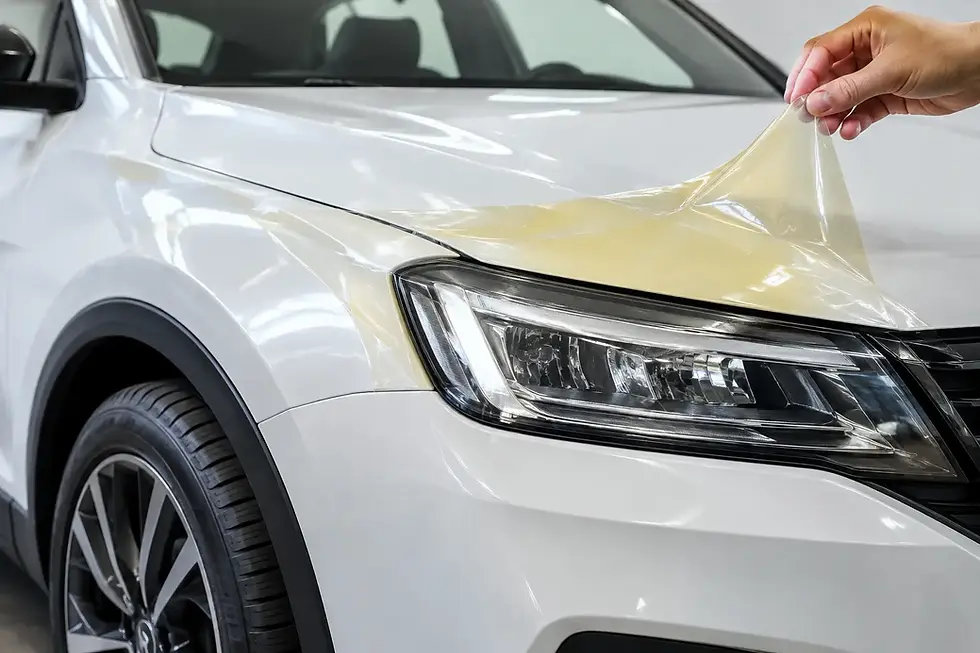
A sealant is not scratch-proof and it will not prevent stone chips, deep scuffs or vandalism. It is a sacrificial barrier against environmental exposure and light contamination, not armour. For vehicles requiring higher levels of long-term defence, ceramic coating and paint protection film serve different purposes and should be considered separately.
Do not confuse sealant with ceramic coating
Modern marketing often blurs the lines between wax, sealant and ceramic products. A spray product that promises ceramic protection may contain some ceramic-based ingredients, but that does not automatically make it equivalent to a professionally installed ceramic coating.
Ceramic coatings are designed to form a more durable chemical bond with properly prepared paint and can offer multi-year protection when maintained correctly. They provide excellent chemical resistance, gloss retention and ease of cleaning, but they still need careful washing and do not eliminate the risk of scratches or physical impact damage.
Sealant remains an excellent middle ground. It is more durable than wax, more accessible than a full coating service, and highly effective when applied with proper preparation and care.
Make either option last longer
Whether you choose wax or sealant, gentle maintenance protects your investment. Wash the car before grime becomes heavily bonded, use products intended for protected paint, and dry it carefully rather than allowing mineral-heavy water to bake onto the surface. Removing bird droppings, tree sap and insect residue promptly is particularly important, as they can mark paint even when protection is present.
Avoid judging protection by water beading alone. Beading is satisfying to see, but water behaviour can change when the surface is dirty. After a safe wash, assess whether the paint feels smooth, looks glossy and releases water cleanly. A professional inspection can help determine whether the existing protection needs a maintenance top-up or full replacement.
At Younique Detailing Co Ltd, the focus is not on applying a product for the sake of it. It is on assessing the paint, the vehicle’s use and the result you want, then preparing and protecting the surface with the care it deserves.
The best protection is the one you will maintain. Choose wax if you value a regular gloss ritual, choose sealant if you need longer-lasting everyday defence, and give either one the clean foundation it needs to keep your car shining like new.


Comments